This week we are focusing on monograms. A monogram is usually composed of interwoven letterforms to comprise a unique symbol. The letters are typically initials of a person or company.
Monograms were first used by the Greeks as early as 350BC to imprint their coins with the first two letters of the cities names where said coins were issued. Since then Monograms have been adapted as signatures by artists and craftsmen and by guilds.
Another of the early integrations of the monogram is the Royal Cypher. This week I studied the history of royal monograms, specifically King George III’s cypher.
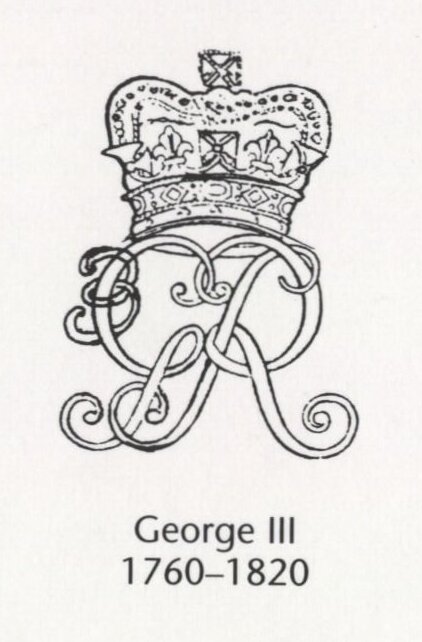
Royal Cyphers can be traced back to the House of Tudor and were and are still used identify individual sovereigns. King Henry VIII was the first monarch who’s monogram displayed the letter ‘R’ following his first initial. The ‘R’ signifies ‘Rex’ the Latin word for King. This is still seen today in Queen Elizabeth II’s monogram (EiiR) where the ‘R’ stands for Regina, the Latin word for Queen; a Monarch’s monogram also includes the crown.
Now moving into more modern times arguably one of the most popular monograms is the iconic Coco Chanel logo created in 1925 by the brands owner and name sake.

Despite the logo being so memorable, it is not the first time interlocking Cs has been utilised in the form of a monogram. The first appearance of this design can be seen in accordance with the French queen Claude and her daughter-in-law Catherine de Medici; detailing the relationship between past and current monograms.


 Phoebe Mae